Poblat de Sant Josep
More than 2,500 years of history
S
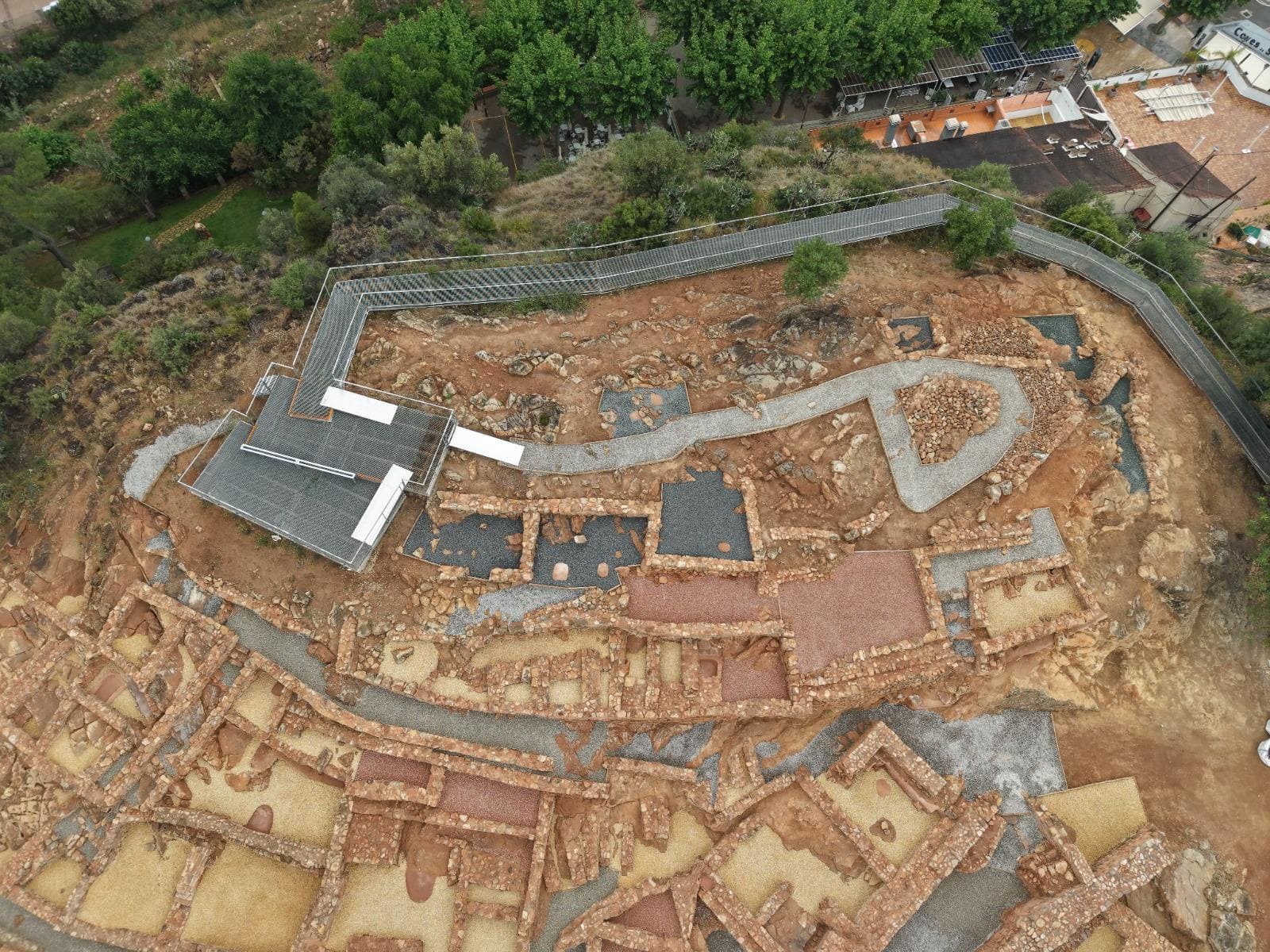
trategically situated on the hill overlooking the Belcaire River valley and adjacent to the Sant Josep Natural Area, the ancient settlement known as Poblat de Sant Josep is one of the most significant archaeological legacies in the Region of Valencia, declared a Site of Cultural Interest (Bien de Interés Cultural), the highest level of heritage protection in Spain.
With a long occupation dating back to the Early Iron Age (8th century BCE*), this settlement allows visitors to trace—through its preserved remains—the evolution of the various cultures that inhabited it, particularly during its peak period in the Iberian era, while also reflecting the weight of Roman rule and the subsequent mark of the medieval Andalusian farmstead.
*BCE: Before Common Era
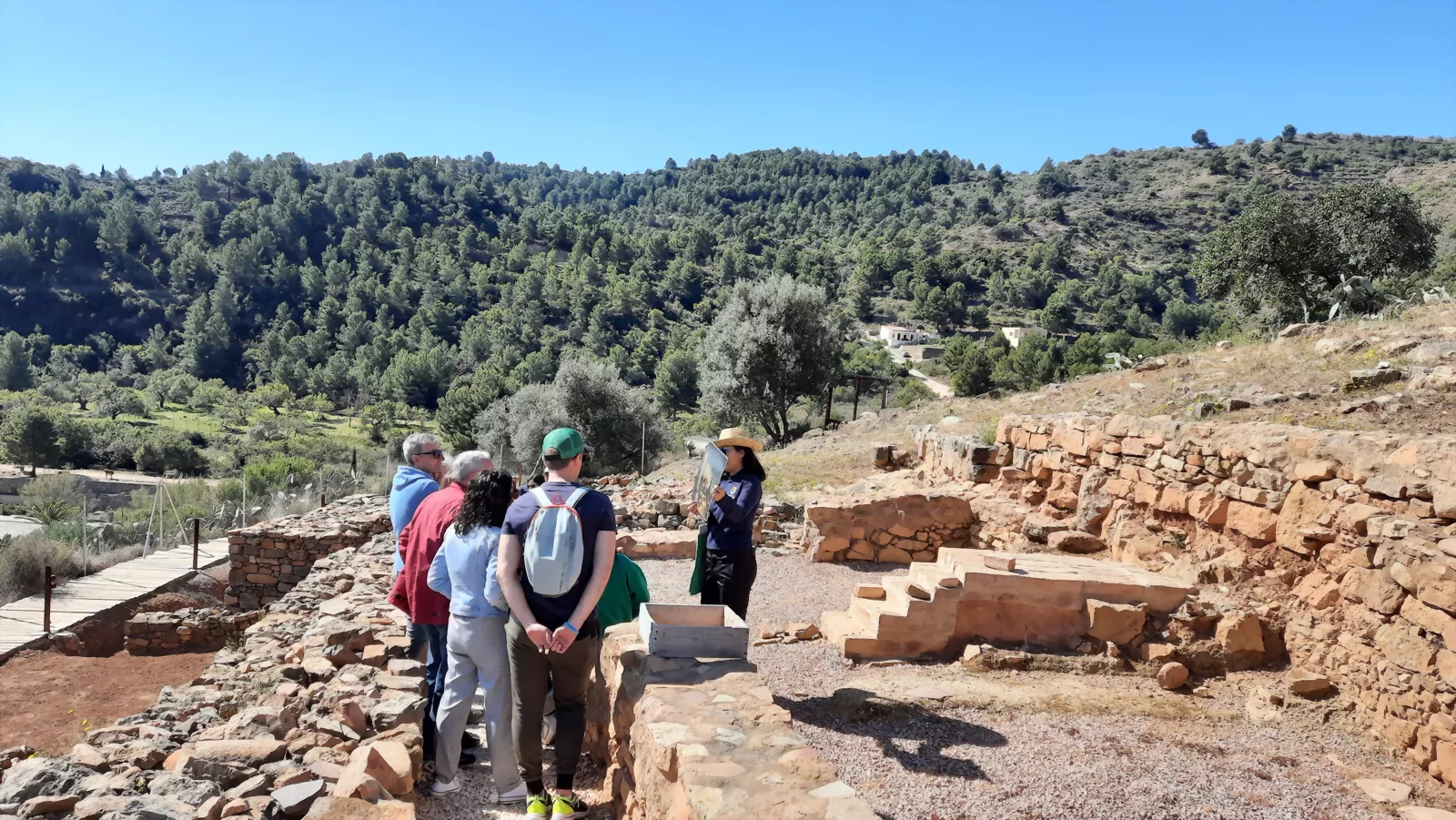
Guided tours: the best way to understand the history and secrets hidden within these structures is through our group visits.
Phases of occupation
Throughout the centuries this strategic enclave has served as a home to various cultures. Discover the main historical stages that shaped the settlement and the lives of its inhabitants through time:
Iron Age
(8th–6th C. BCE). Formation of the first settlement on the hill using terraces to level the terrain. Foundations of a large building or defensive tower remain preserved, alongside ceramic fragments demonstrating the earliest commercial contacts with the Phoenician culture.
NEXT
↓
Iberian period
(6th-2th C. BCE). The peak era of the settlement. It established itself as an oppidum (fortified settlement) protected by ramparts and defensive towers. Highlights include its urban grid of streets and rows of dwellings, its grain storage areas, and the discovery of the ‘Settlement Treasure’, consisting of silver coins minted in Arse (Sagunto) and pieces of gold craftsmanship.
NEXT
↓
Late Roman Era
(4th-5th C.). Reoccupation of the settlement, adapting the previous Iberian structures. Notable features include the construction of an imposing entrance gate over 2 metres wide with large pilasters, as well as spaces dedicated to agriculture, livestock farming, and metalworking activities.
NEXT
↓
Andalusian Farmstead
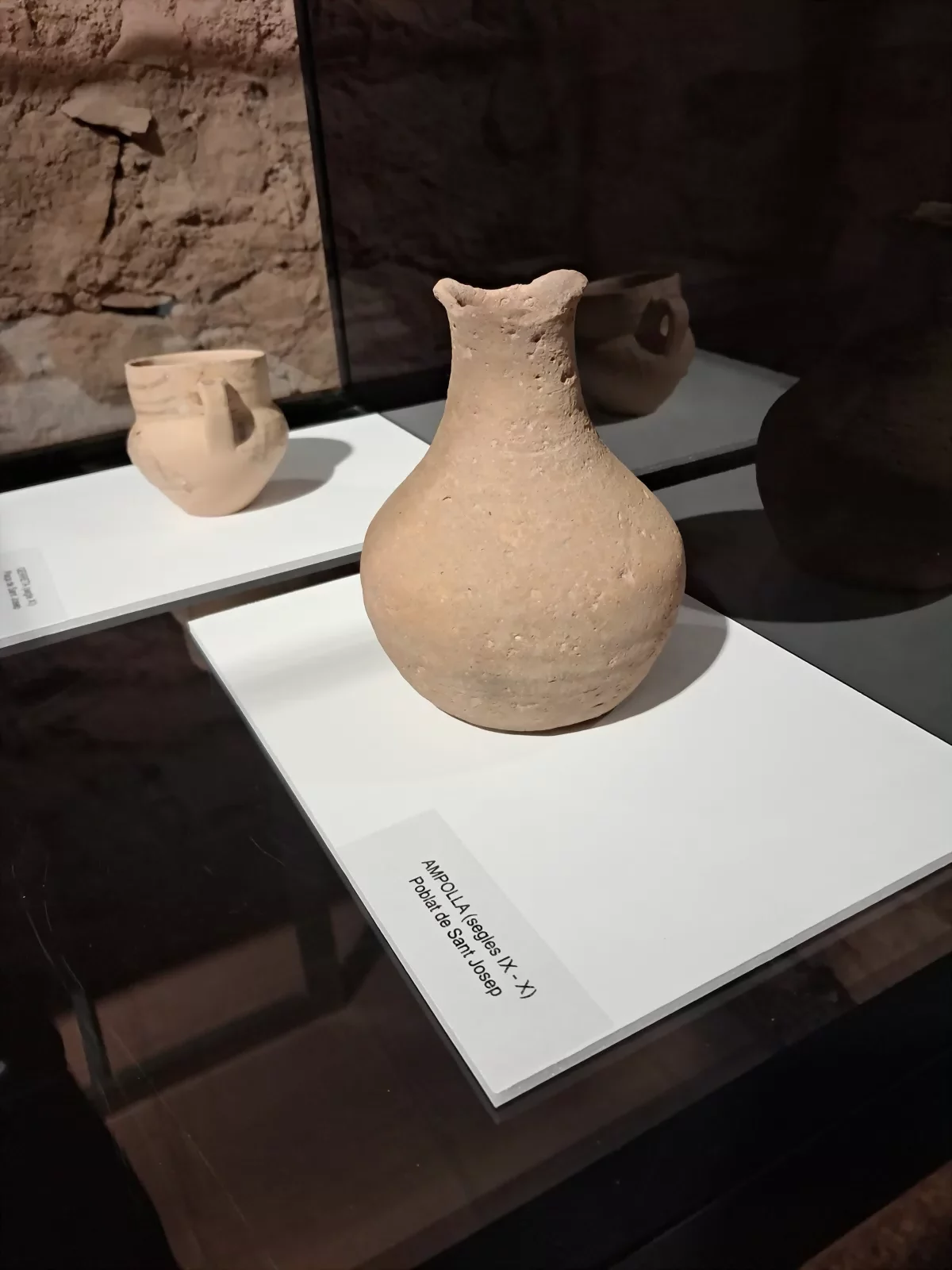
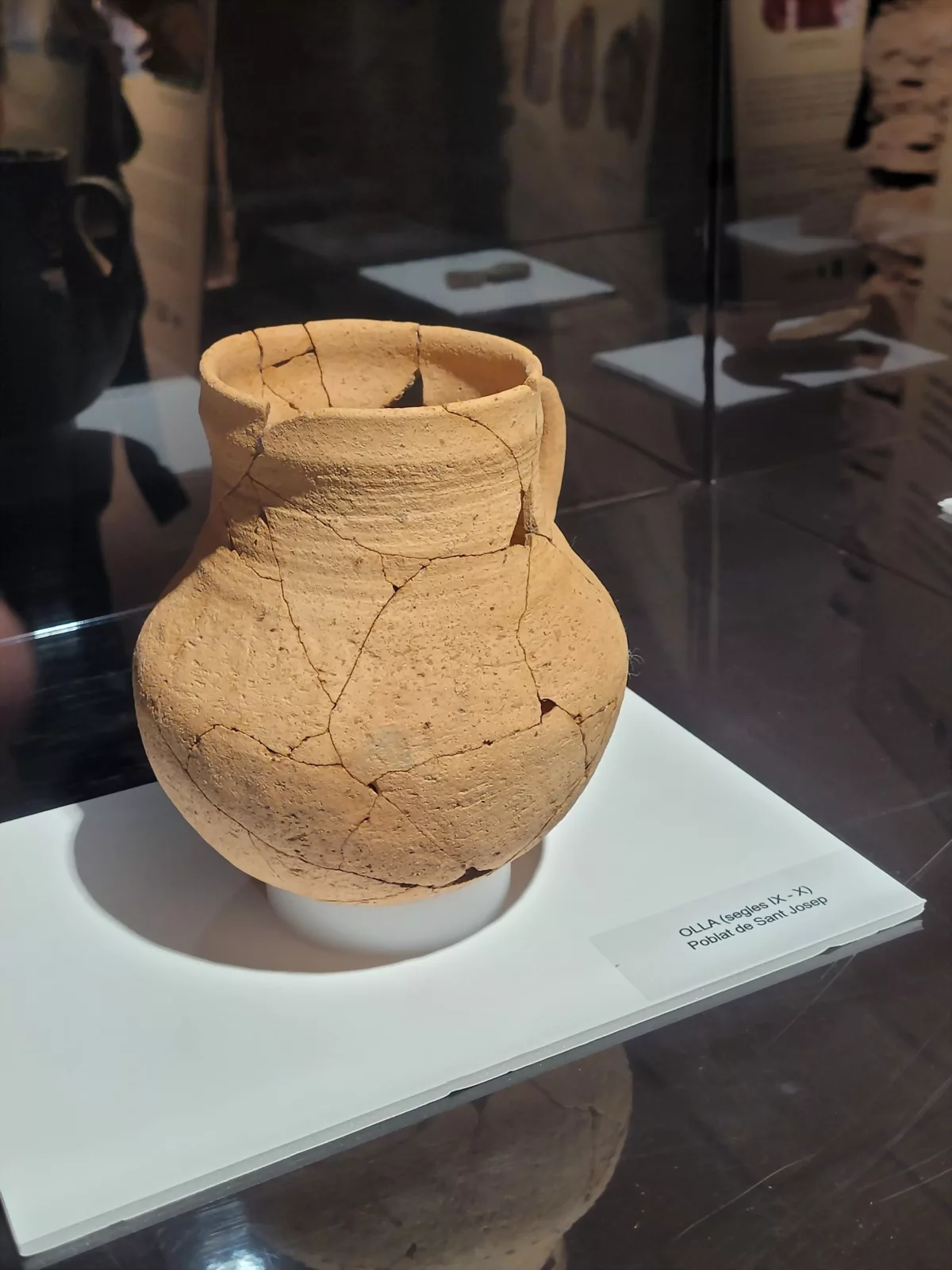
(9th-10th C.). Layout of an Andalusi farmstead structured around streets and dwellings with domestic spaces containing hearths, ceramic pots, jars, and tools dedicated to textile production.
Visit the Poblat de Sant Josep
Access the outdoor viewpoint free of charge to take in spectacular panoramic views over the valley and the Mediterranean Sea, or explore the interior of the site by booking one of the guided tours offered by the Tourist Office.

Guided tours in Spanish are offered in the morning through the inner streets of the archaeological site, where expert guides explain the history of the settlement.
- Children under 3: free entry.
- Children aged 3 to 12: €3/person.
- Adults (13 and over): €5/person.
👥 Groups: special guided tours in English can be organized for groups (minimum 15 people).
✉️ More information: vallduixo@touristinfo.net
Discovered artefacts
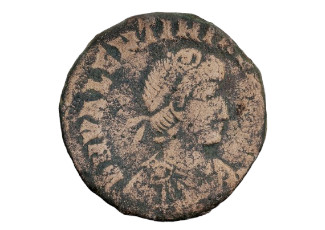
These are some of the most significant pieces recovered during the archaeological excavations:
Many of the objects found at the Poblat de Sant Josep are on public display at the Municipal Archaeological Museum, which offers free entry, but you can also explore many of the items through the virtual museum.
How to get
📍 Address: C/ Alt de la Vila, 28 / Passeig dels Coves, 10A, 12600 La Vall d’Uixó, Castellón.
IMPORTANT ACCESS NOTICE: The main stairs leading up from Les Coves de Sant Josep are closed for construction work, and navigation apps like Google Maps do not show the correct walking route. Please follow these directions from the Paraje de Sant Josep parking area:
On-foot access from the free car park (15 min):
Walk up to the end of C/ del Tenis.
Turn left and go up the 18 steps to the CV-230 road.
A few meters ahead, you will reach the small square providing access to the archaeological site, right next to the Sagrada Família Chapel.