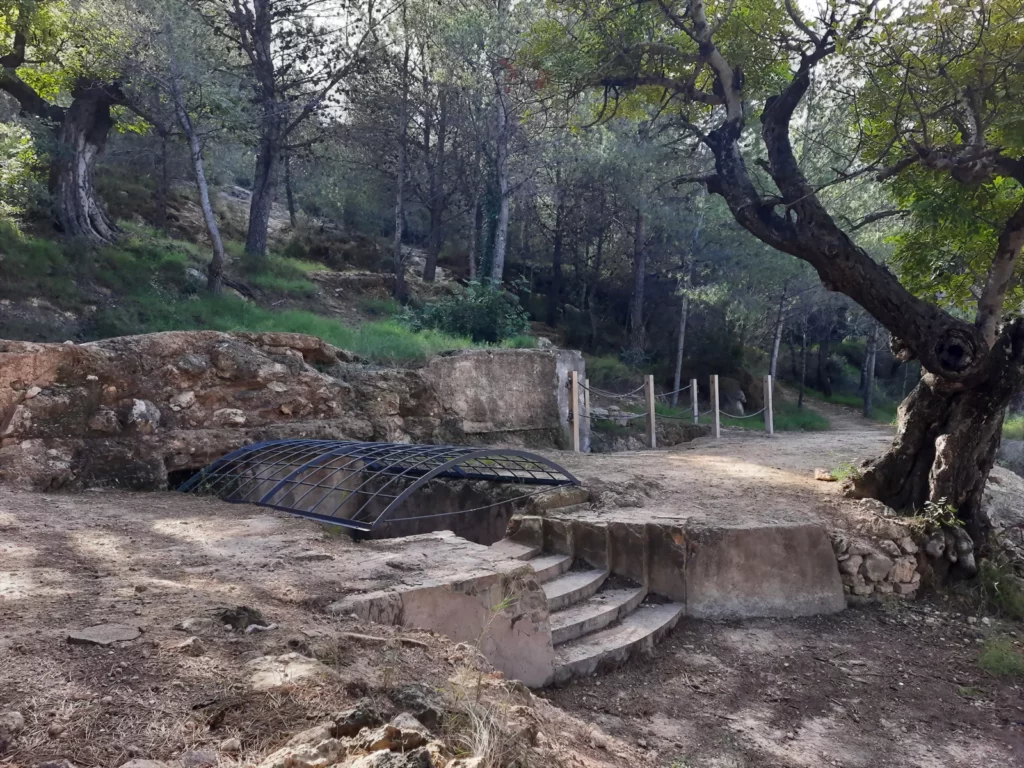





Discover the historical heritage through the Camí de l'Aigua
The Camí de l’Aigua invites you to discover the history and heritage of La Vall d’Uixó on an easy, accessible walk through its most charming spots.
Key points of interest along the route include:
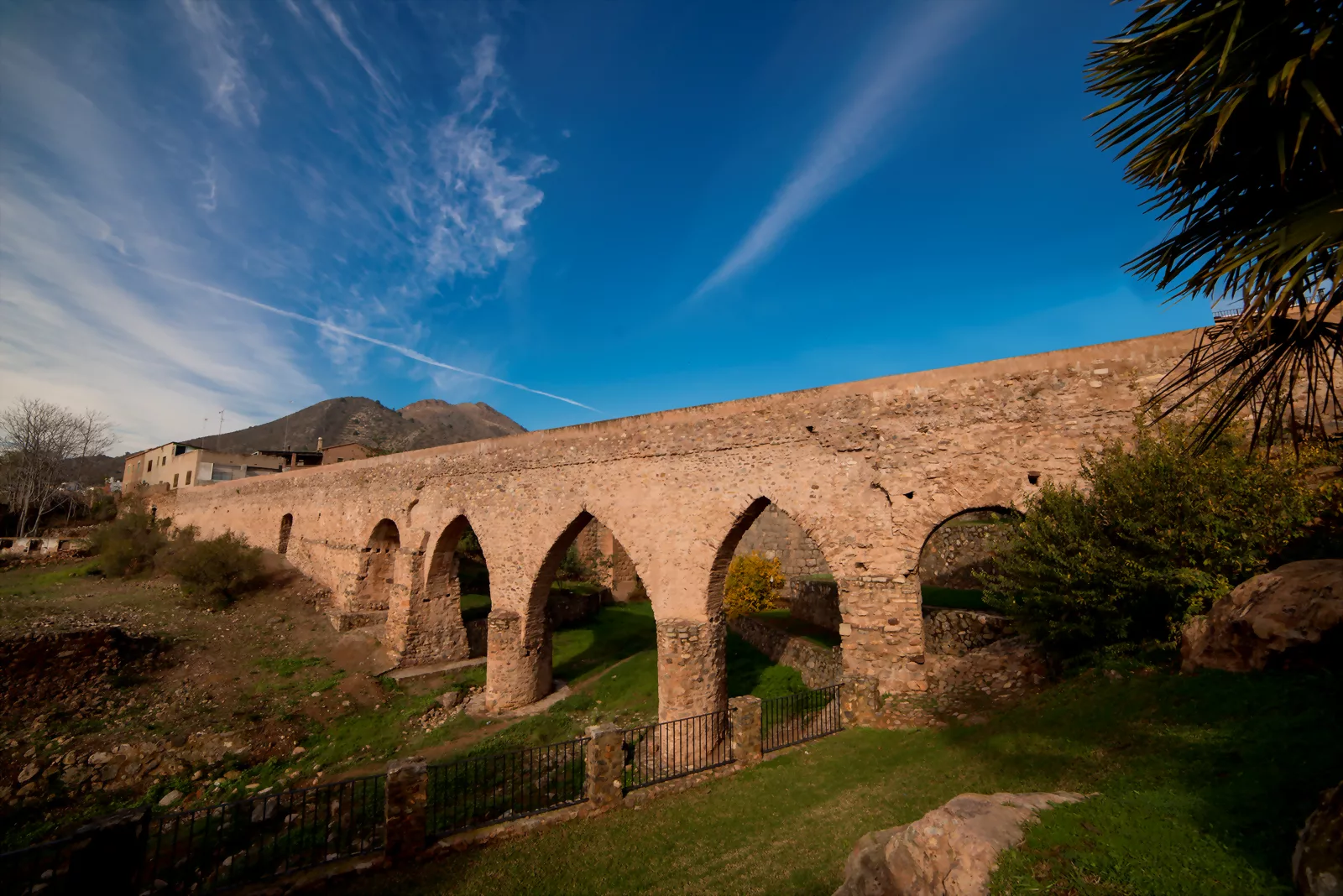
Roman-medieval aqueduct complex
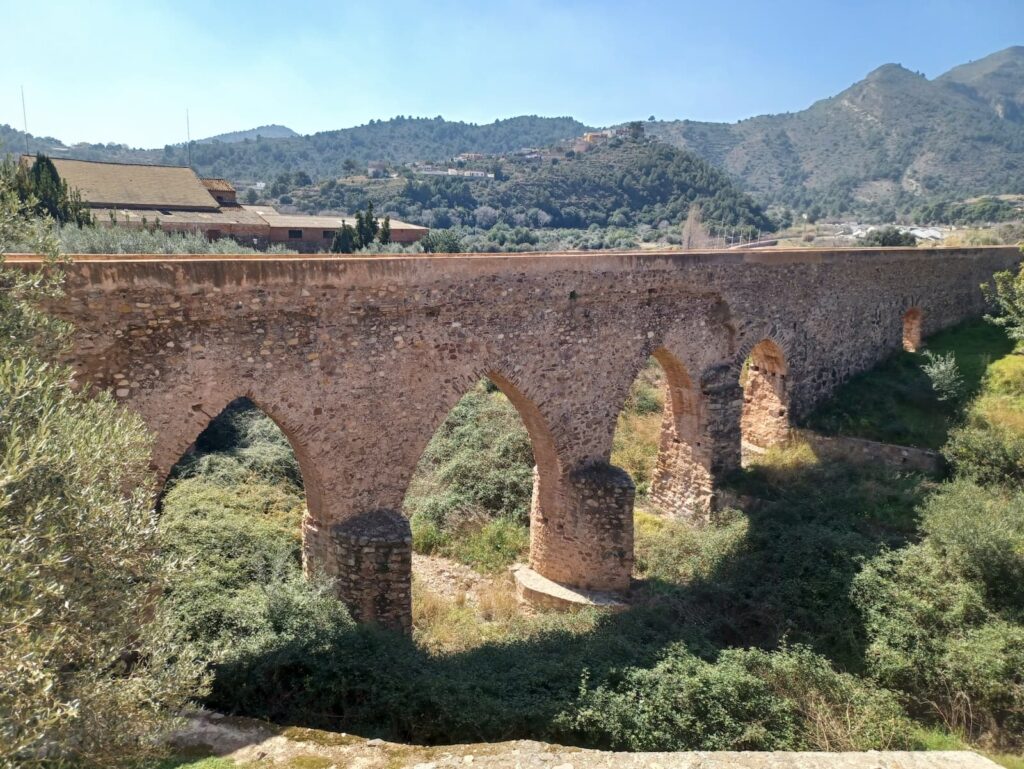
The San José Aqueduct is the defining feature of a hydraulic system that once transported water from the Sant Josep Spring (the subterranean river of Les Coves de Sant Josep) to the present-day town centre. Its construction points to Roman origins, though its three central arches are clearly medieval—most likely built during a 14th-century reconstruction.
Beside it stands the Alcúdia Aqueduct, featuring a single semicircular arch, alongside two historic flour mills, all dating back to the Middle Ages.
Town Archaeological Museum - La Fàbrica de la Llum
The rich heritage of our town comes to life at the La Vall d’Uixó Archaeological Museum, located right beside the aqueduct complex. This cultural space is housed in the former power station: La Fàbrica de la Llum, an iconic early 20th-century building originally constructed to generate electricity from coal.
Over the decades, the building served various industrial uses—soft drink manufacturing and shoemaking—before falling into disuse. Following a comprehensive restoration, it reopened as a modern museum and heritage centre dedicated to sharing the history of the municipality.

Find location and opening times on Google Maps:
'lAlcúdia Neighbourhood
This neighbourhood of narrow, winding streets stands on the site of the medieval alquería (Andalusian hamlet) of l’Alcúdia, which dates from between the 11th and 15th centuries. Archaeological finds on Montebello Street are particularly noteworthy, where ancient houses and everyday household items—such as cooking pots, hand mills and earthenware jars—have been uncovered.
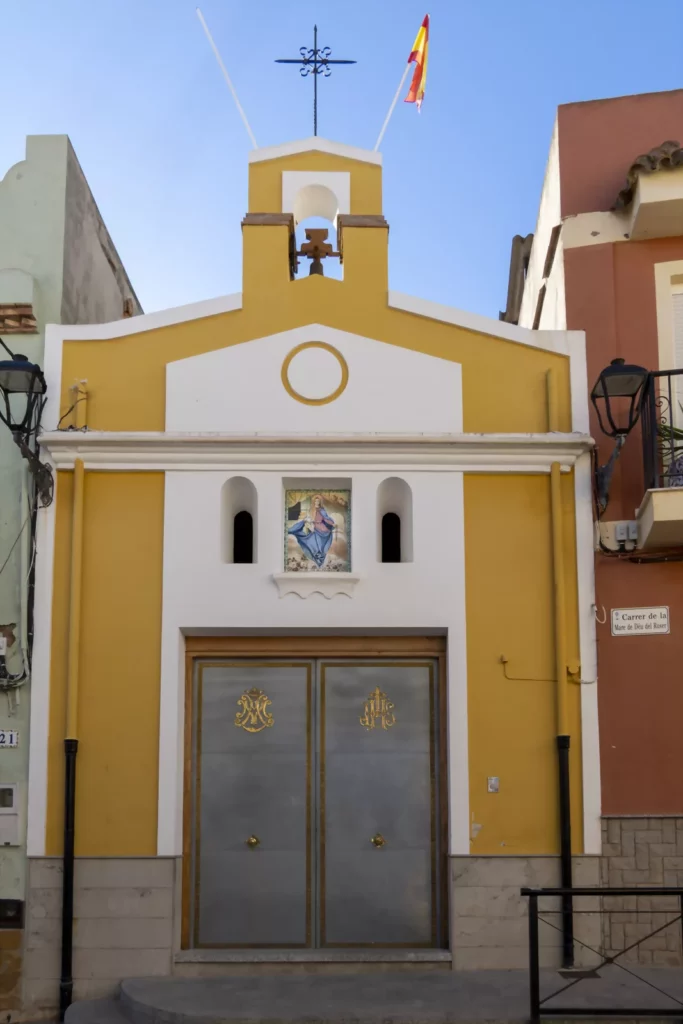
In this same area stands the Mare de Déu del Roser Chapel, which, according to local tradition, was built on the site of a former mosque. Documented since at least 1816, the present chapel is home to one of our most precious items of intangible cultural heritage: the aurorers. This all-male choir performs the Aurora, traditional Marian songs handed down by oral tradition and influenced by Gregorian chant. In La Vall d’Uixó, these songs are performed during key festivals and at dawn on Sundays throughout May and October.
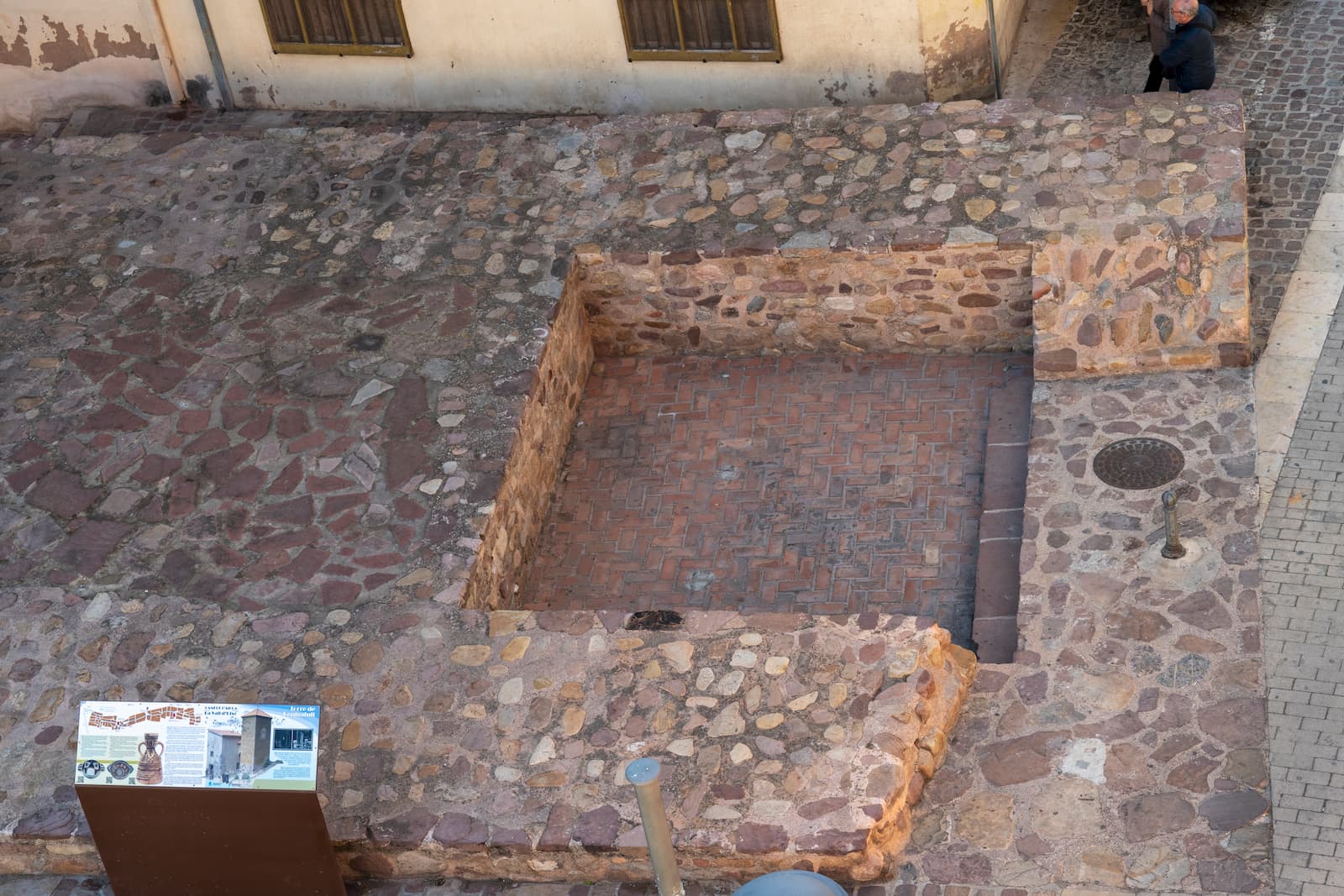
Benigafull Tower
Although only its archaeological remains can be seen today, this 14th-century medieval tower was originally attached to the Palace of the Duke of Segorbe, the lord of the town. Built across three storeys with a square floor plan, it once stood as a symbol of the duke’s feudal power. Local tradition holds that this tower inspired the current municipal coat of arms.
Archaeological studies of the tower and its cistern have uncovered various artefacts, which can now be explored in our virtual museum. Many of these pieces would have formed part of the tableware used by the duke while residing at the palace in the 14th century, such as this bowl decorated in lustreware and cobalt blue.
Church of the Holy Guardian Angel
It is the main religious center of Town of Dalt (Upper village) and the parish oldest in the city. The current church was built in the 17th century and enlarged in the mid-18th century. The façade is in a Baroque and Neoclassical style and features the bell tower, a mid-17th-century addition, on one side.
The interior, with its Baroque vaults and Neoclassical decorative elements, houses a collection of frescoes painted in the late 18th century. Among these works The mural that covers the entire presbytery vault with the representation of The Glory, attributed to the painter José Vergara, the most outstanding Valencian painter of the second half of the 18th century.
The temple houses other important artistic works such as the main altarpiece with marbles of different colors, or the one containing the painting of Our Lady of the Guardian Angels in the Chapel of the Tabernacle, by the Valencian painter Jerónimo Jacinto de Espinosa.
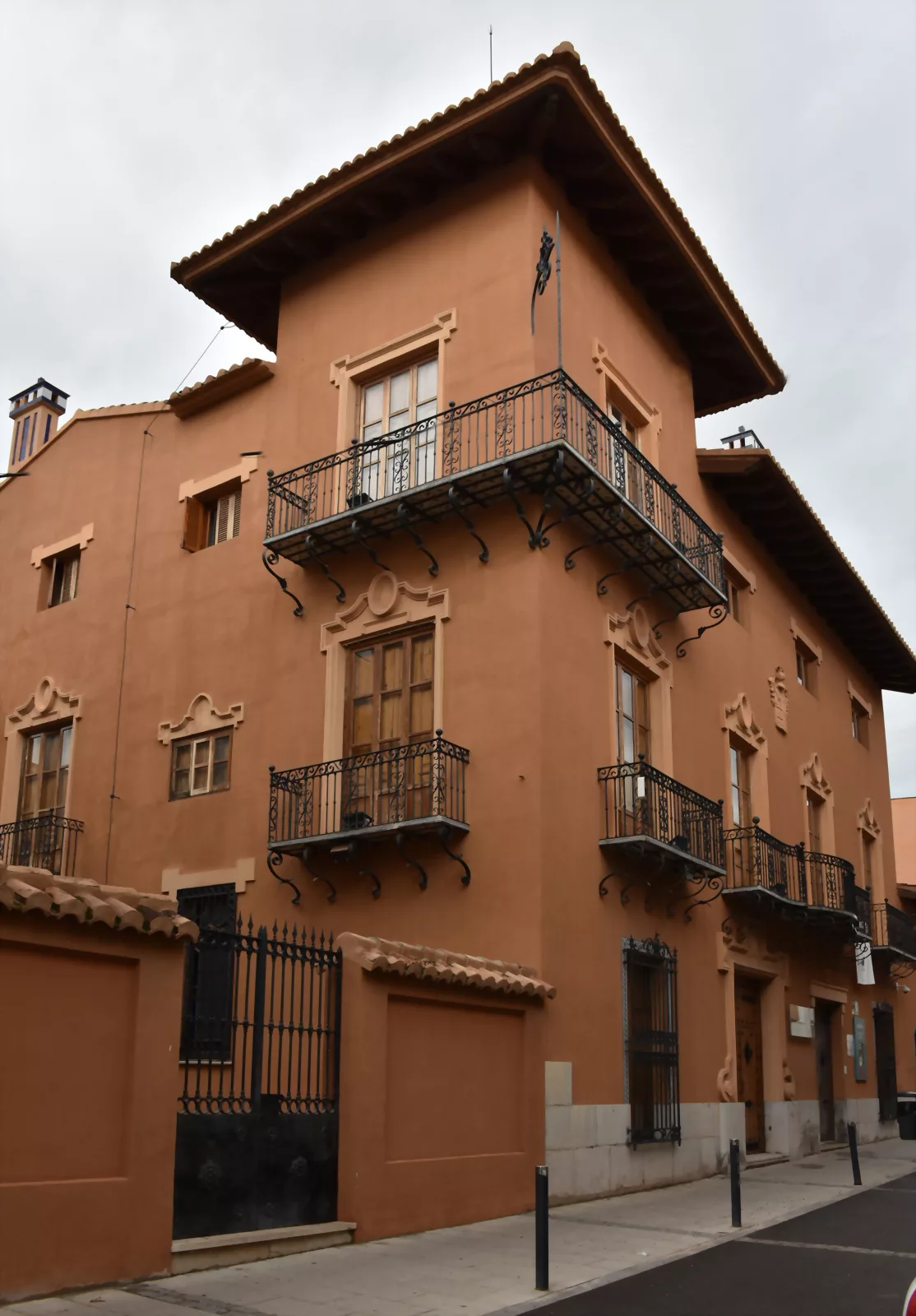
Vivel Palace
This summer house of the Marquesses of Vivel It was built in the 1920s, in the heart of Belle Époque. In this three-story building, the semicircular side arch, entrance to the old stable, and the decorative ceramics of the balconies stand out.
Although the building is a free cultural center, hosting exhibitions and cultural events, it is currently the temporary headquarters of the City Council.
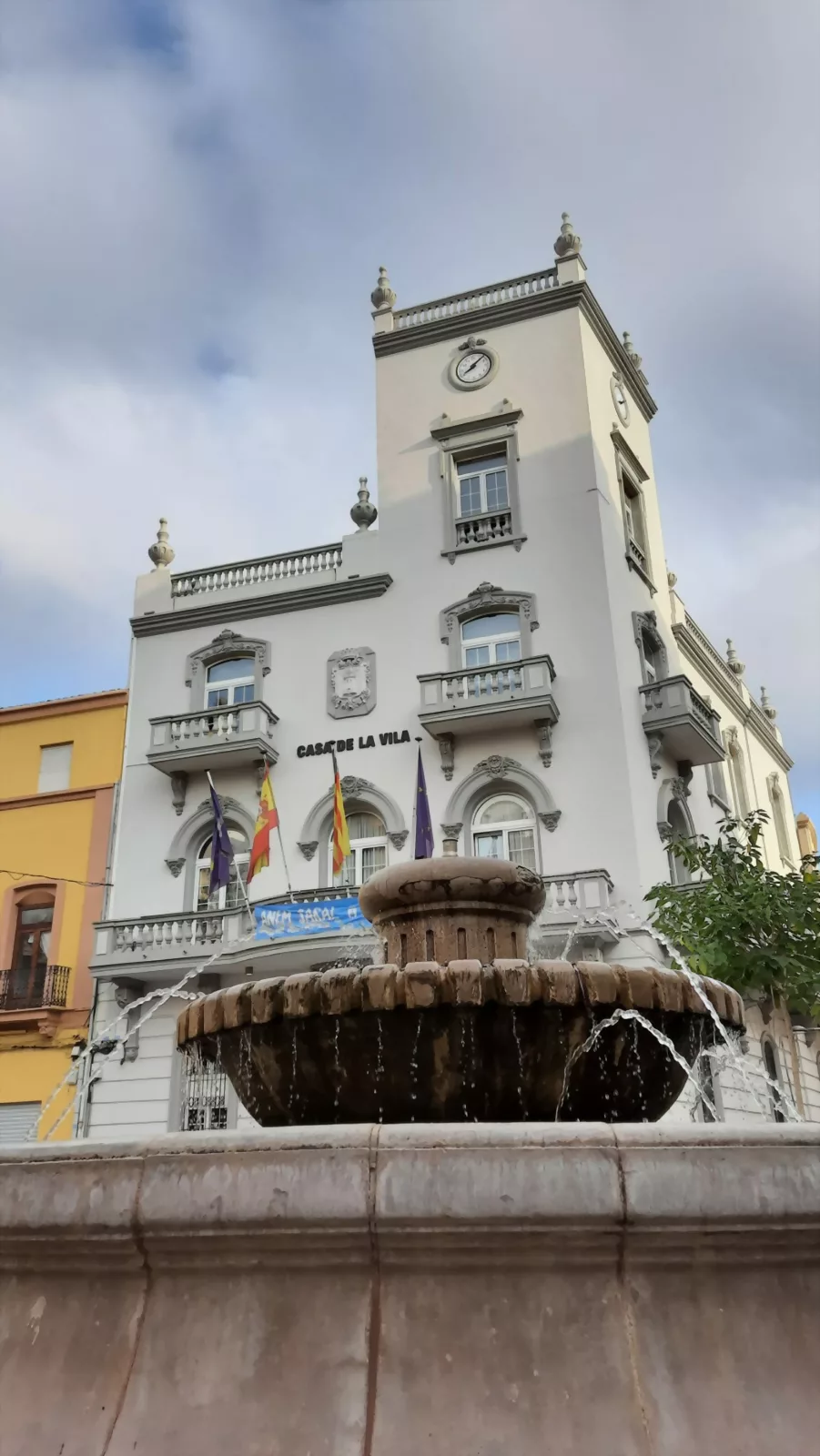
City hall
The building that houses the La Vall d’Uixó Town Hall was completed in 1931, to celebrate the granting of city status. It serves as a link and meeting point between the two realities that make up the town: The Town of Dalt (Upper Village) and The Town of Baix (Lower Village).
Located in the Plaza del Centro, it replaced the old town hall situated in the Plaza dels Xorros. A section of the old main irrigation channel, now buried underground, is still visible in the ground next to the facade, thanks to the opening of an archaeological window.
Currently the building is undergoing rehabilitation and expansion works, with the local institution temporarily relocating to the Vivel Palace.
Laundry
Along the main irrigation canal, there were various structures related to water use, such as this washhouse located on Regimiento Tetuán Street. Until the mid-20th century, houses did not have running water, so people had to go to fountains or washhouses to collect water for household chores, a task primarily reserved for women and girls.
In the case of this laundromat, now integrated into a supermarket, it was Built in 1929 by Mariano Peset. It consisted of three pointed arches that supported the vault that originally covered it and was used as one of the few public spaces for women to meet and socialize.
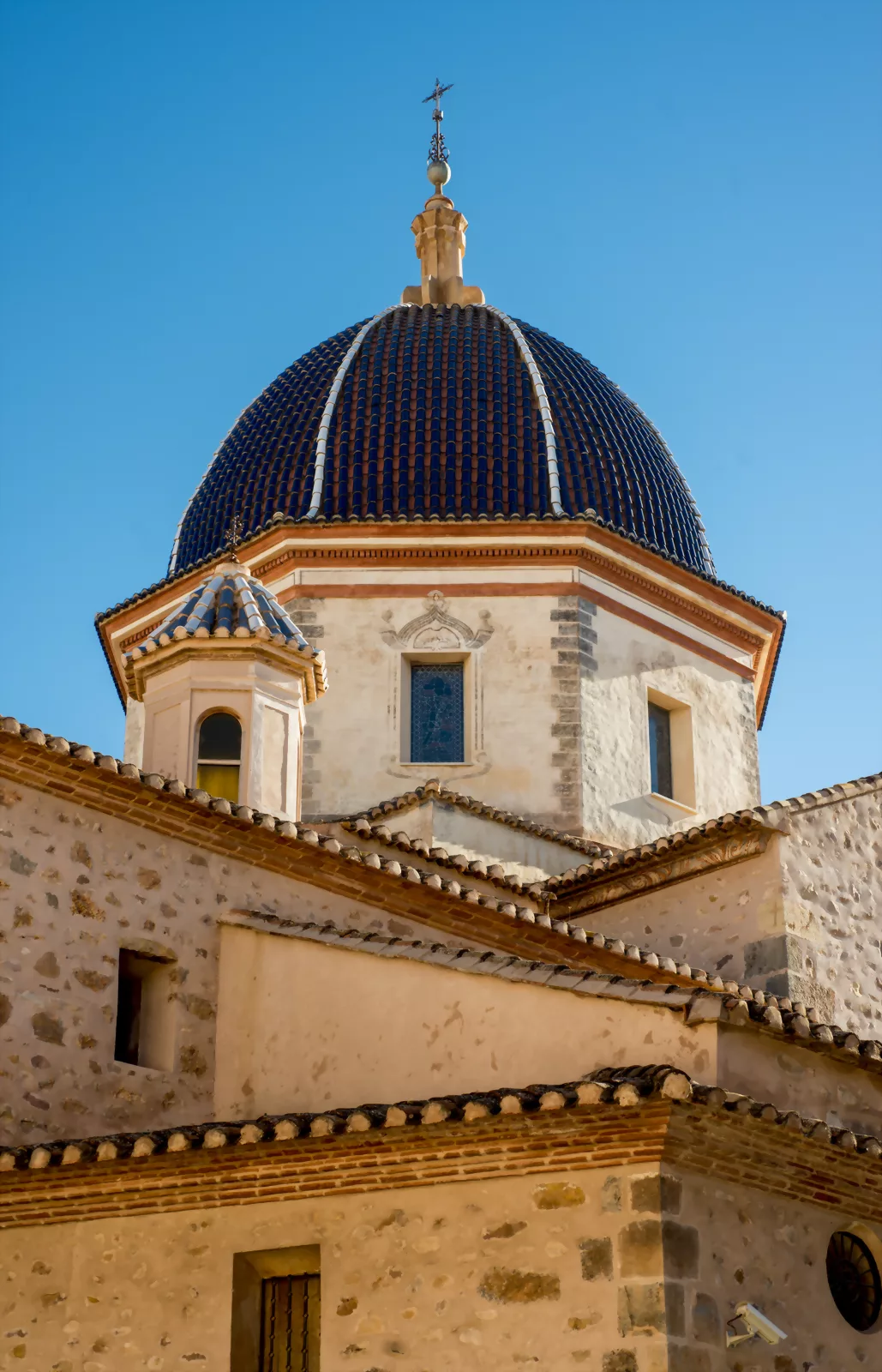
Church of Our Lady of the Assumption
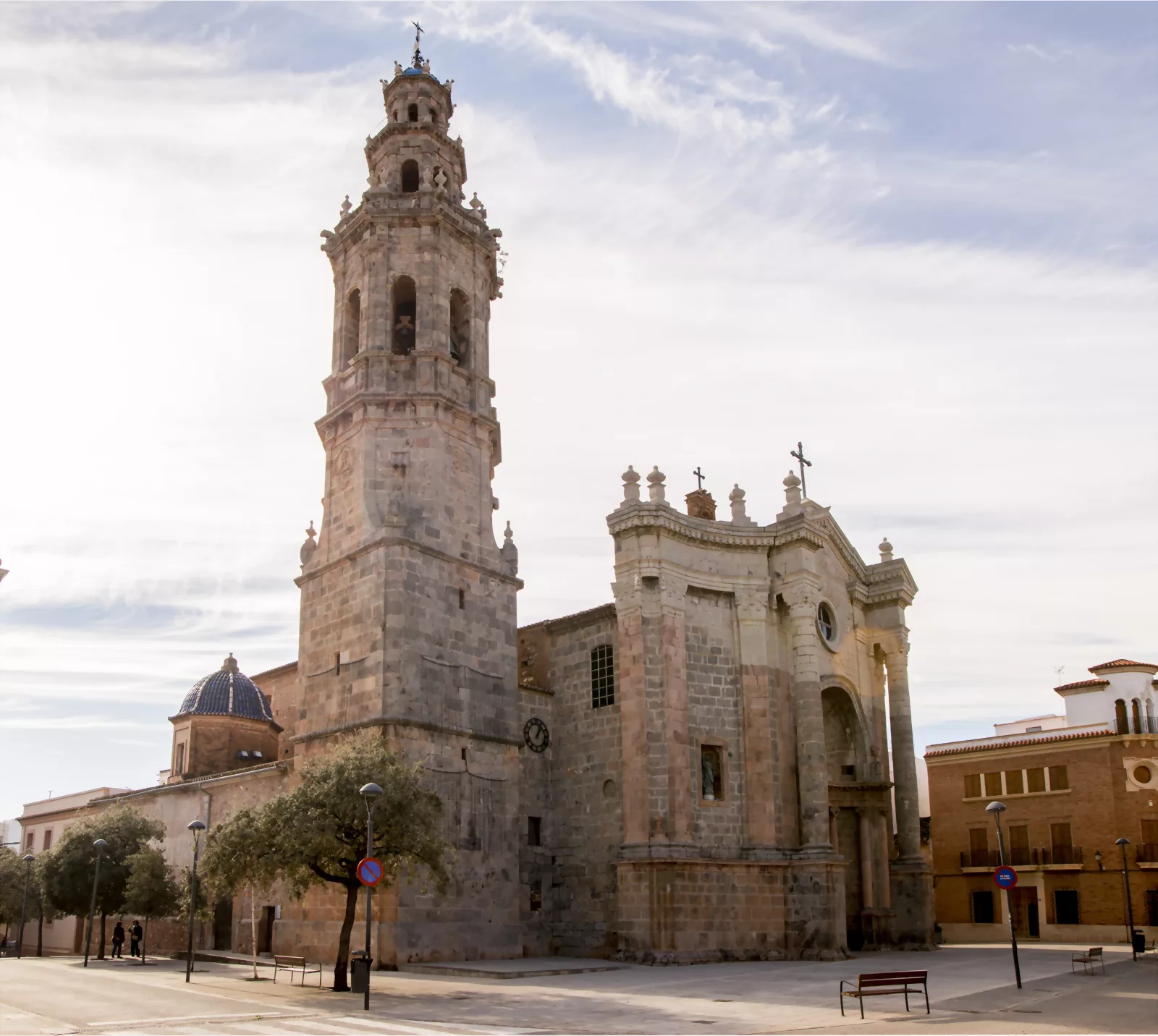
The current religious temple, religious headquarters of Town of Baix (Lower Town), is the result of a construction that began in the 17th centuryAlthough the neoclassical facade we see now was finally completed in 1926. The images that currently adorn it are Saint Alfred Abbot and Saint Vincent Ferrer, which flank the relief of the Assumption of the Virgin in the center, above the lintel of the main door.
As in the case of the Church of the Holy Guardian Angel, the Parish of Our Lady of the Assumption also has a blue tile domevery typical in the Mediterranean. Inside, the fresco paintings that adorn the vaults and its baptismal font stand out, which remained hidden under the altar until 1994, when it was recovered during some renovations in the baptistery.
Next to the facade we find the 49-meter-high baroque bell towerCompleted in 1791. It has a set of seven bells, among which the following stand out. Alfredo, the largest of all, weighing about 1,100 kg.
Across the street, in the square, stands a 17th-century cistern that once held approximately 300,000 liters of water. It remained in use until the last century.
Benissahat Tower
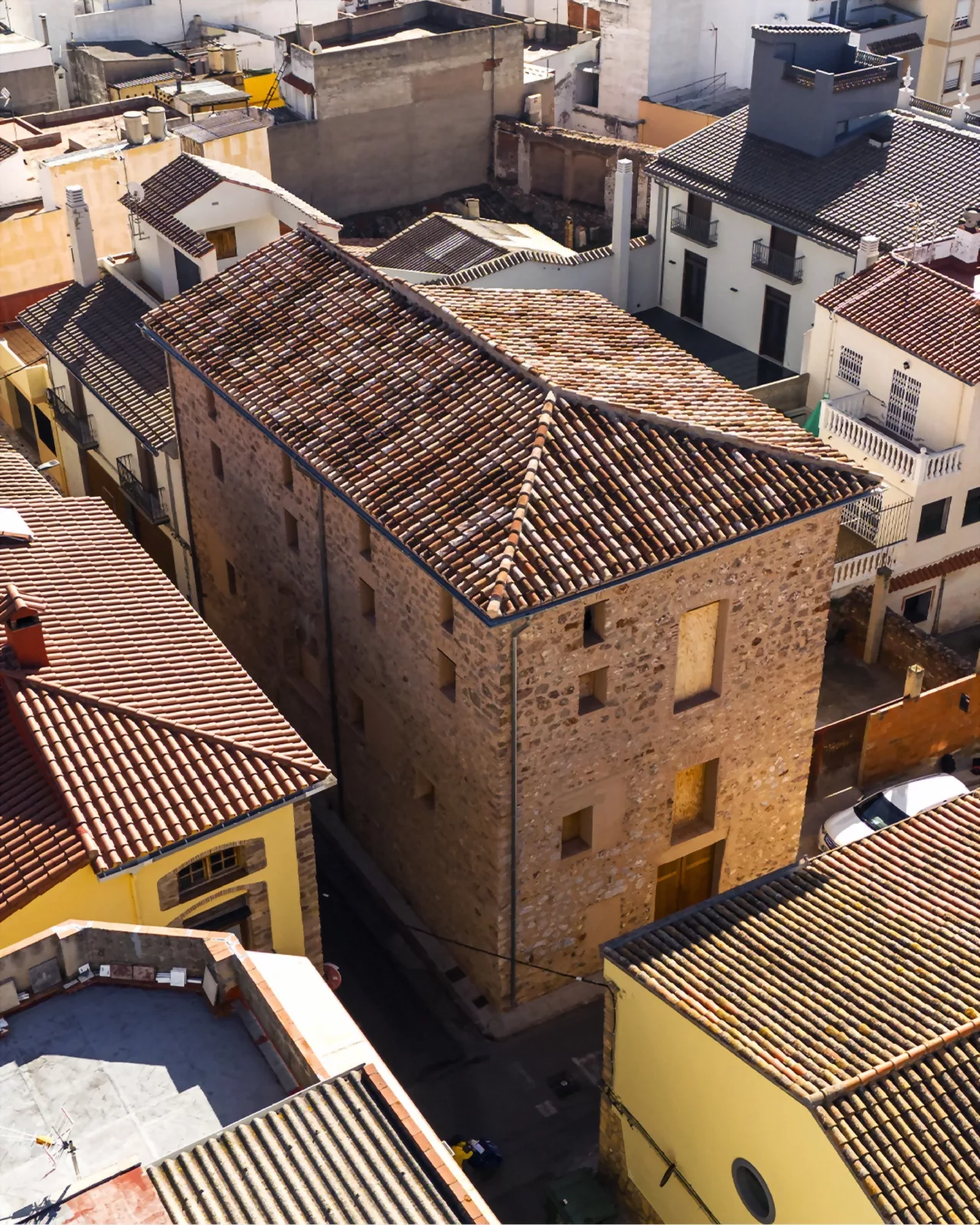
This tower is the only visible remnant today of the ancient Andalusian farmsteads which formed the current historic center. It was located in the center of the farmhouse called Benissahat and was a square-based tower built in the 12th century. Throughout history it has undergone different reforms, the most important being the 18th century expansion that shaped it with the current appearance of the building.
At the end of the street, on the mountain, you can see the remains of the old Andalusian castle of Uixó, which gives its name to the valley: La Vall dUixó.
Square of the Chorros
A monumental fountain dominates the square, as it is one of the city’s most emblematic squares. From the mid-17th century, it housed the town hall, until finally, in the 20th century, the City Hall was moved to its current location, the Plaza del Centro.
Historically, it was also the nucleus of another of the farmsteads that shaped the current town center: the Senet farmhouse. In fact, an Islamic necropolis linked to this medieval settlement was found very close to this square.
Hermitage of Saint Vincent Ferrer
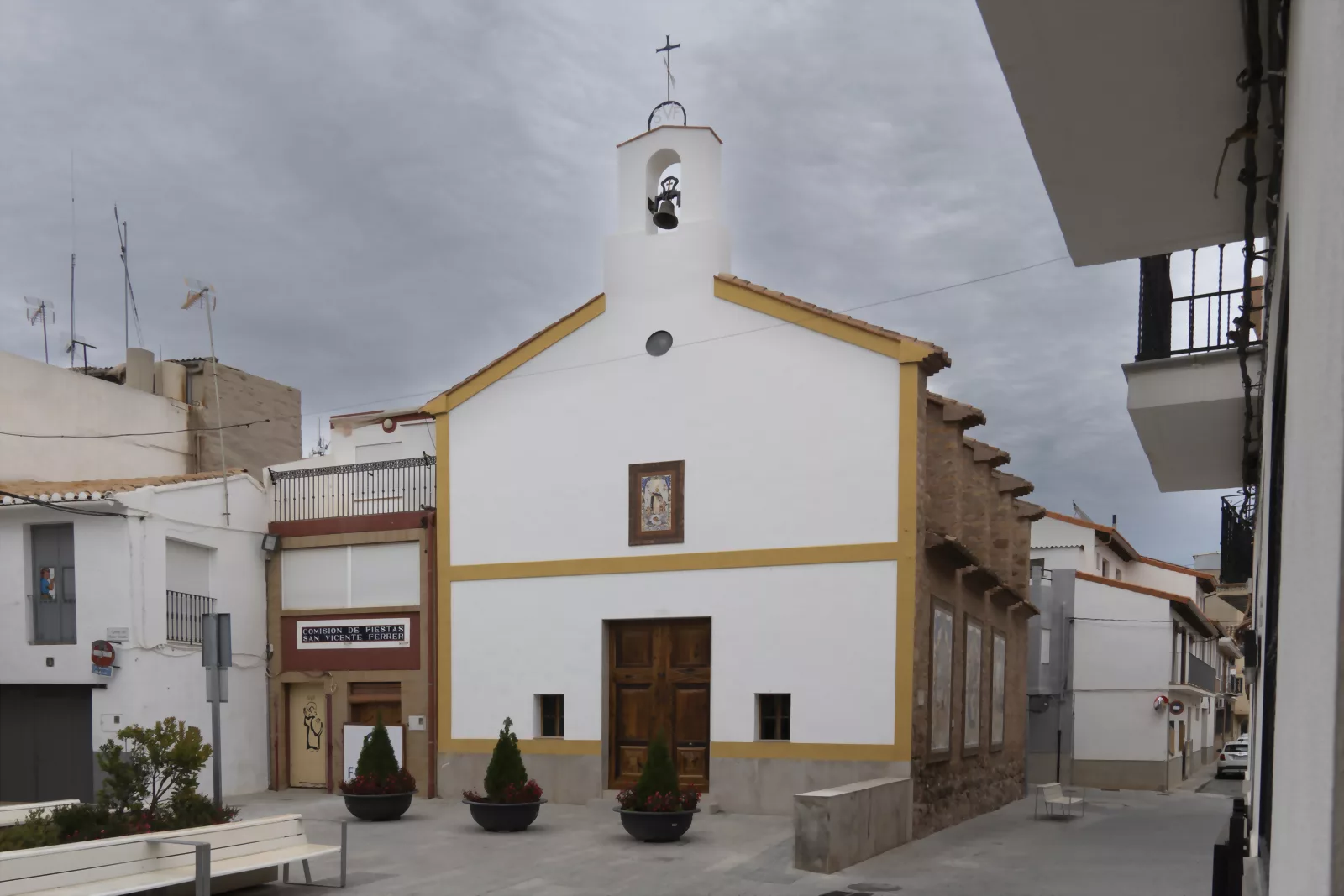
It is the main religious temple in the San Vicente neighborhood, probably built on the site of a former mosque. The festivals held around it in April take place. Patron Saint Festivities of San Vicente Ferrer, of National Tourist Interest.
As a curiosity, the fountain that adorns the square today was originally located in the Plaza del Centro.
Enhance your visit to the city
Segarra Shoe Museum
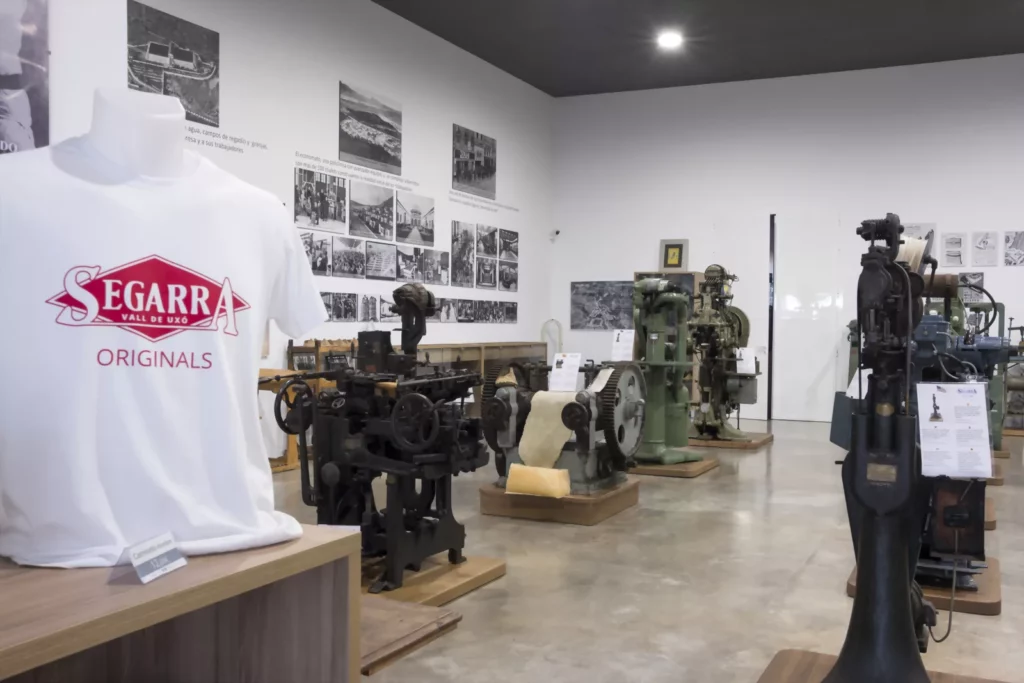
This museum pays homage to the shoemaking tradition of La Vall d’Uixó through the history of the legendary Segarra Factory, which became a national benchmark in the production of military and work footwear. Founded in 1882, it is the oldest shoe factory in all of Spain.
Through its exhibition, the artisanal process and technological evolution that completely transformed the economy and identity of the municipality are revealed, providing employment for more than 4,000 people.
Village of San José
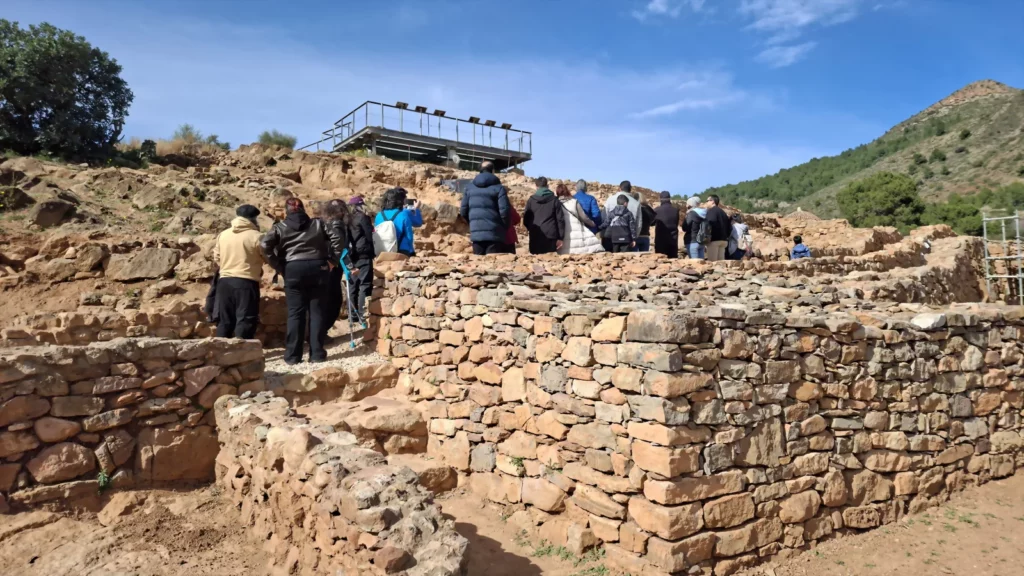
Located on the hill of Les Coves de Sant Josep, this archaeological site with 2,700 years of history It was home to Iberians, Romans, and Andalusians. It is a listed Site of Cultural Interest and preserves remains of its walls, defensive towers, streets, and house plans.
Although there is a free viewpoint, we recommend the Guided tour of the interior of the archaeological site to understand how human occupation evolved in the Sant Josep area.
The Caves of Sant Josep
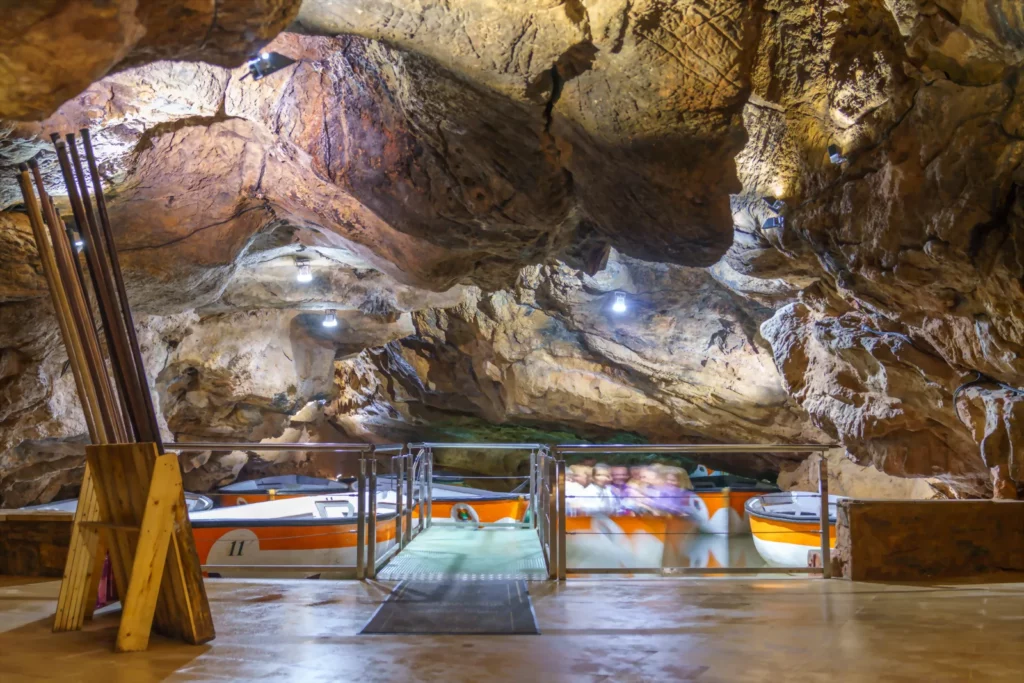
Beneath the city of La Vall d’Uixó lies hidden one of the longest navigable underground rivers in Europe. A tranquil boat trip through its waters reveals a fascinating subterranean landscape, filled with stalactites and whimsical shapes sculpted by water over thousands of years. The experience combines the boat journey with a walk through a dry gallery, allowing you to connect with the silence and majesty of the surroundings. A natural wonder for all ages where history, geology, and beauty converge underground.
Route through the war heritage: XYZ Trail
This route covers part of the old defensive belt built during the Civil War at the gateway to the Sierra de Espadán. Along this low mountain path, various elements of military architecture can be seen, such as trenches, parapets, bunkers or blockhouses and machine gun nests, while enjoying privileged panoramic views of the valley.